Cinsault
san-SOH · Vitis vinifera ‘Cinsault’ · also spelled Cinsaut
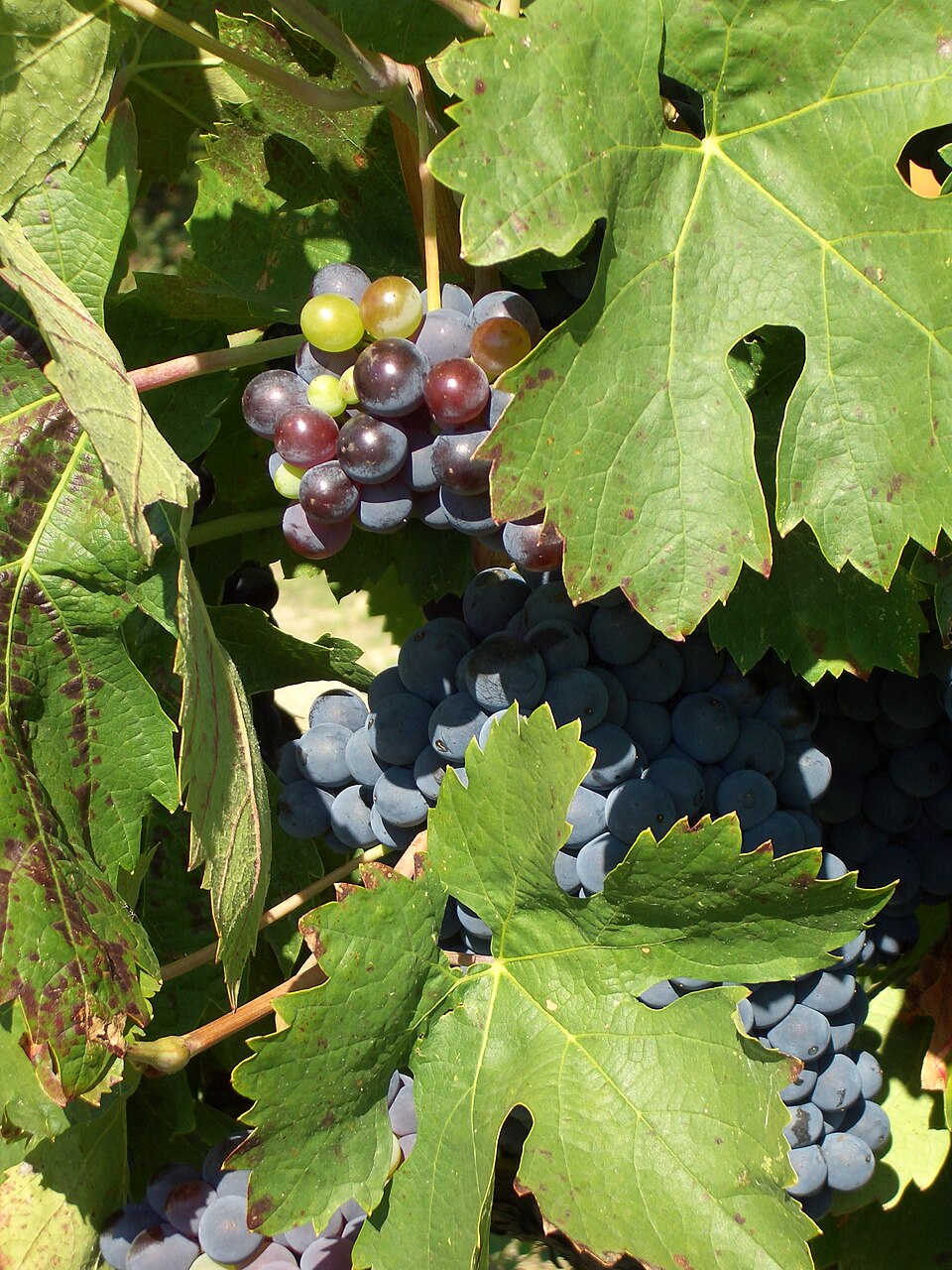
The heat-loving southern French grape behind half the rosés and GSM blends in Texas — light, floral, and low-tannin. Also, improbably, half the parentage of Pinotage. We keep meeting it on its own, and it keeps being worth it.
/ What it tastes like /
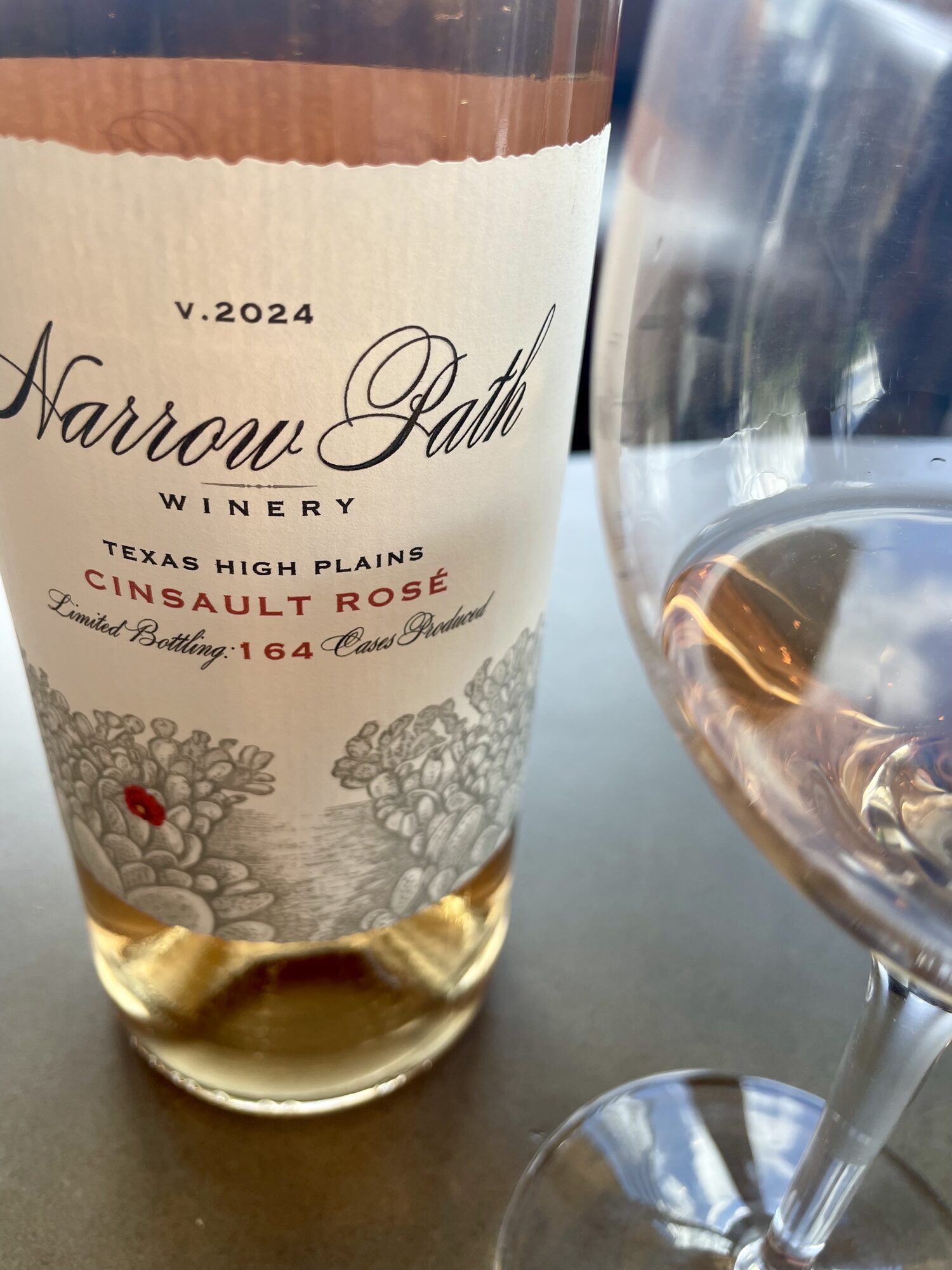
Strawberry, raspberry, and cranberry with a floral lift, light-bodied and low in tannin — fresh and easy to drink. As a rosé, Narrow Path’s 2024 was tart and pretty: underripe cranberry and raspberry, a touch of apricot, an impression somewhere between peach and strawberry. As a standalone red, William Chris made a version light but memorable — the kind of bottle that makes you rethink calling anything “just a blending grape.”
/ Why it works in Texas /
Cinsault is one of the most heat- and drought-tolerant grapes there is — it thrives in the baking south of France and does the same here, which is why it anchors so many Texas rosés and GSM blends. It’s usually a supporting player, but a strong crop year can make a varietal bottling worth chasing. (And yes: cross it with Pinot Noir and you get Pinotage.)
/ What to eat with it /
As a rosé, it’s a hot-patio wine: salads, grilled shrimp, charcuterie, anything you eat with your fingers outside. As a light red, serve it slightly chilled with roast chicken, pork, or a cheese board. Either way, keep it cool and keep it casual.
/ From our visits /