Fiano
fee-AH-noh · Vitis vinifera ‘Fiano’
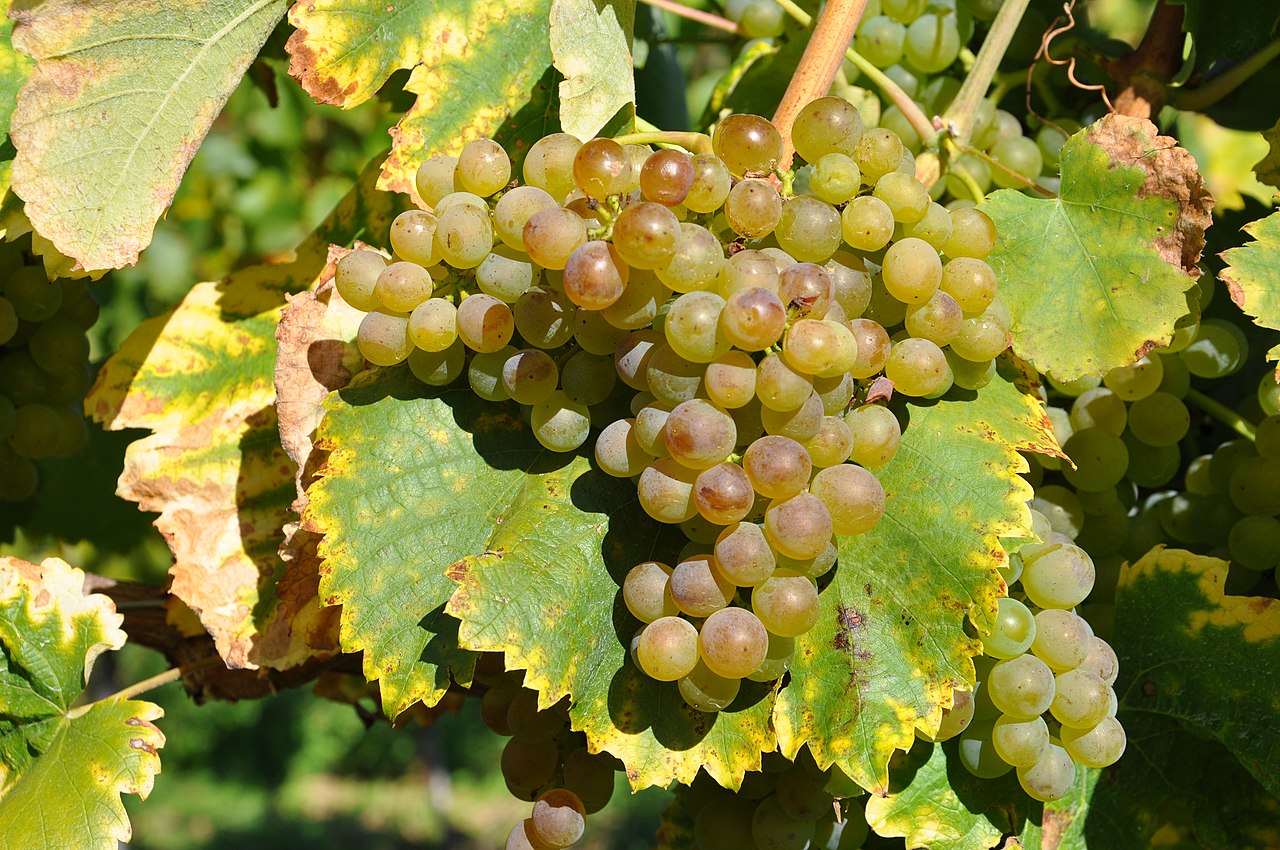
An ancient white from the hills around Avellino in southern Italy, grown since Roman times. They called it Apianum — for the bees the sweet grapes drew — and it’s one of the few whites built to age.
/ What it tastes like /
Toasted hazelnut and almond, pear, and a honeyed note, with a hint of smoke or struck-match minerality behind the fruit. It runs medium to full but stays fresh, and unlike most whites it can actually improve with a few years in the bottle — the nutty side deepens as it ages.
/ Why it works in Texas /
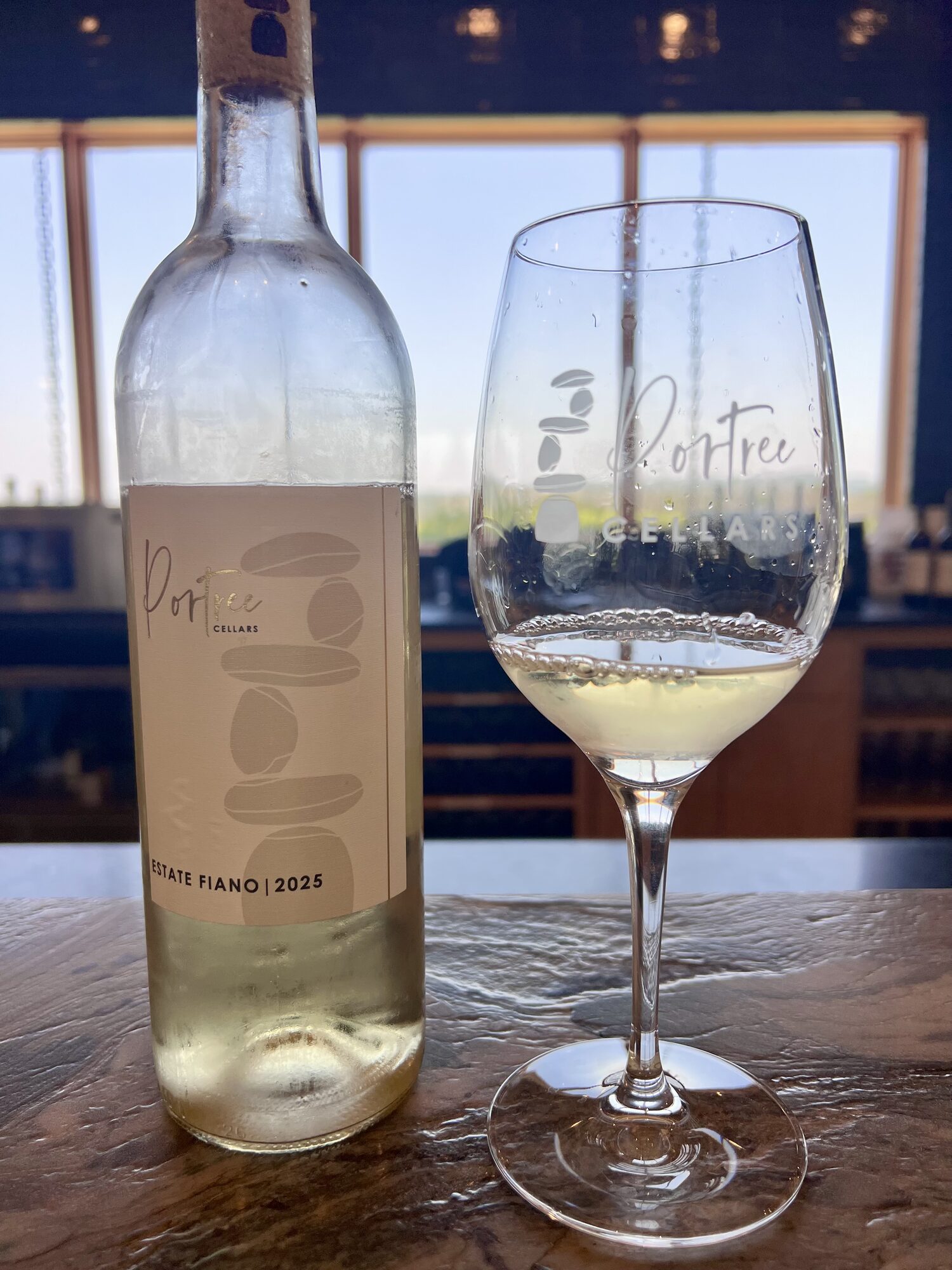
It comes from the hot hills of Campania, so heat is its native condition. It holds acidity, tolerates drought, and gives a white with real body without needing oak to get there. It is still uncommon in Texas, which is what made the Portree pour notable: their estate Fiano is the property’s own fruit, not something trucked in.
/ What to eat with it /
The nutty, honeyed side loves roast chicken, pork, and anything with browned edges. It is rich enough for cream sauces and pasta, and the almond note makes it a natural with hard, aged cheeses — or, fittingly, with a handful of actual almonds.
/ From our visits /