Sangiovese
san-joh-VEH-zeh · Vitis vinifera ‘Sangiovese’ · “the blood of Jupiter”
The heart of Chianti and Italy’s most-planted grape — tart cherry, dried herbs, and bright, food-driving acidity. A chameleon in Texas: we’ve had it still, as a rosé, and sparkling, all from the same grape.
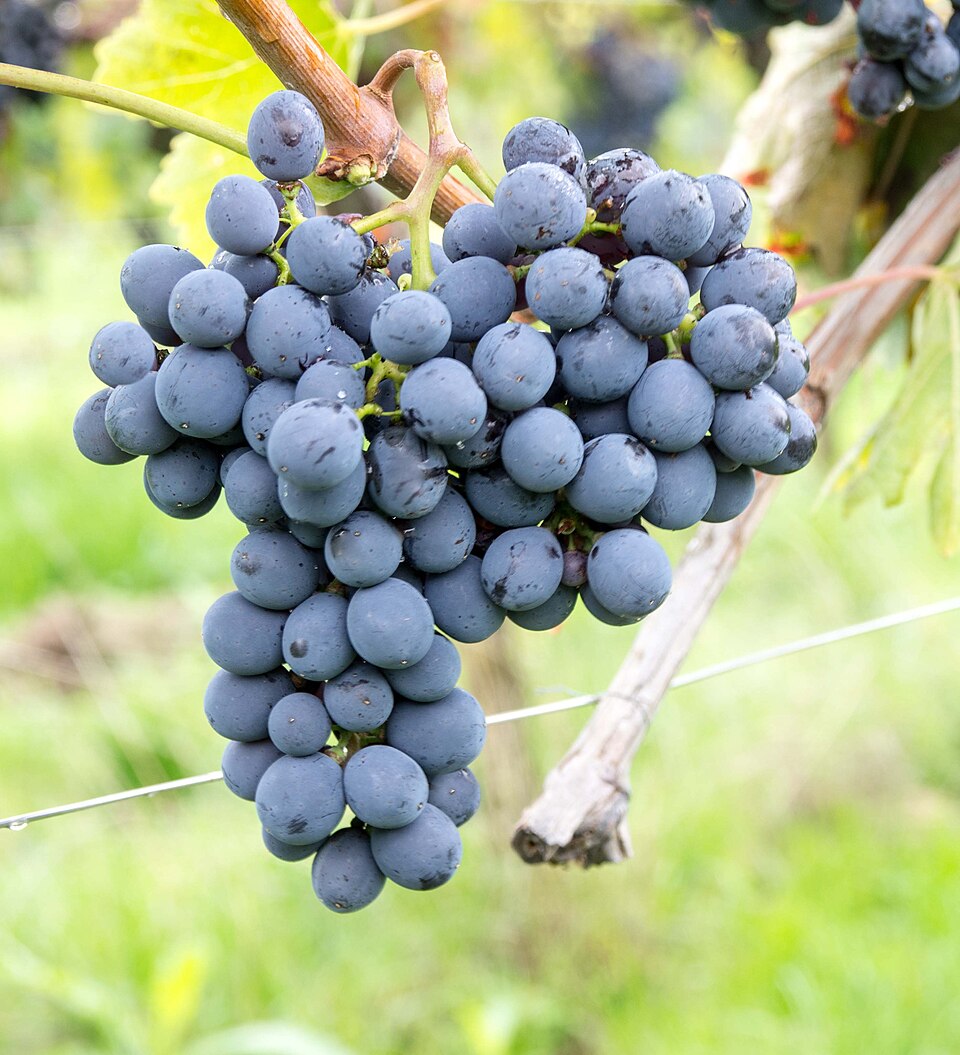
/ What it tastes like /
Tart red cherry and plum with a savory streak — tomato, dried herbs, a little leather — and the bright acidity that makes your mouth water for food. The tannins are firm but fine, not heavy. Its real trick is versatility: we’ve had it dry and still with a food-friendly pull that had us talking about pizza, poured as a crisp rosé, and even made sparkling — all the same grape wearing different clothes.
/ Why it works in Texas /
Sangiovese likes heat and a long season, ripening mid-to-late while keeping the acidity that makes it so easy at the table — a balance a lot of grapes lose in the warmth. That freshness is why it can go so many directions here, and estate plantings like the block at Sandy Road show it’s put down real roots in Texas soil.
/ What to eat with it /
Anything Italian and tomato-forward: pizza, pasta with red sauce, lasagna, eggplant parmesan. Beyond that, grilled sausage, roast chicken, and hard cheeses. The acidity was built for the table — it cuts through fat and red sauce the way a softer red can’t.
/ From our visits /