Picpoul
PEEK-pool · Vitis vinifera ‘Piquepoul Blanc’
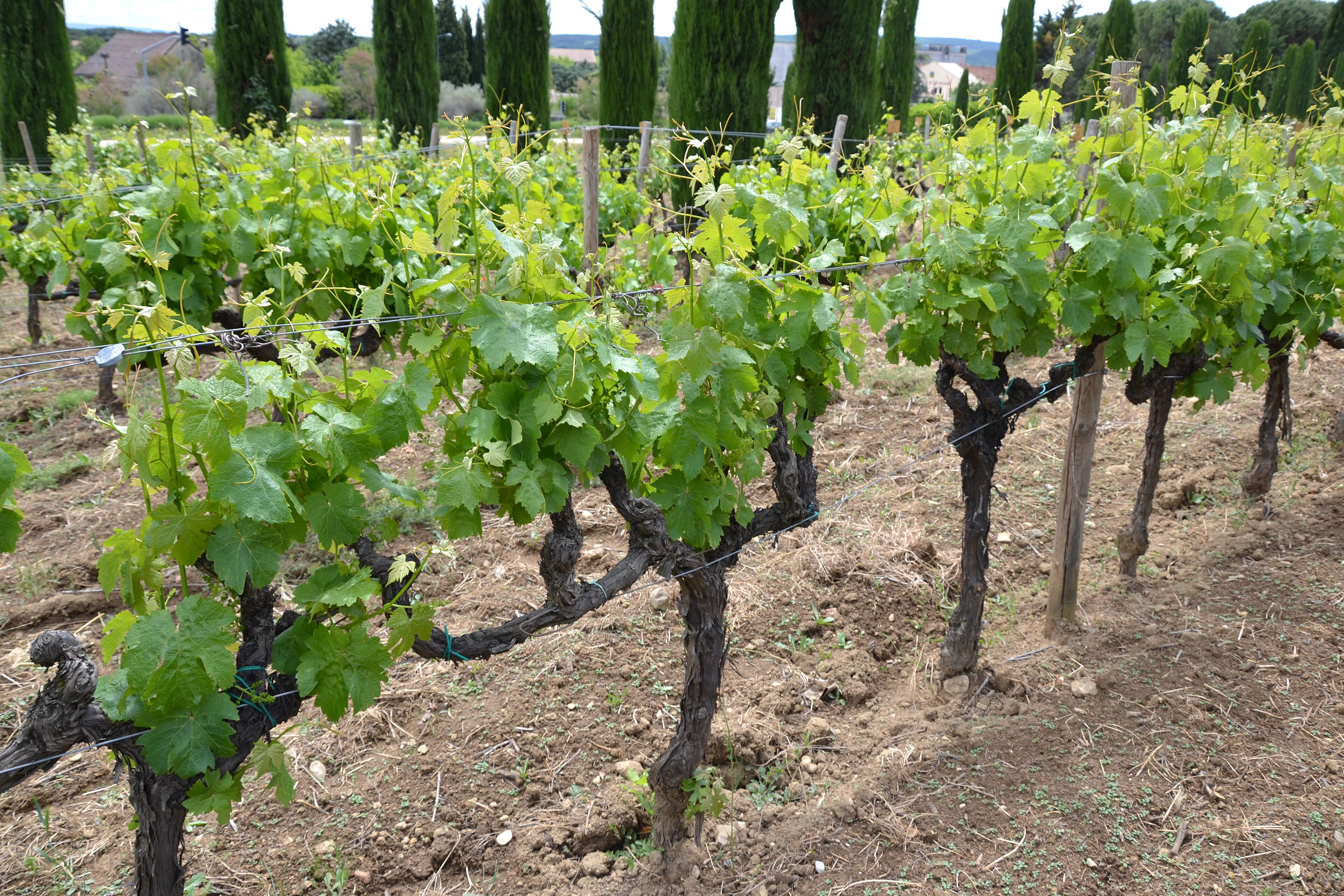
The oyster wine of the Languedoc, where its home appellation — Picpoul de Pinet — sits right above the Thau lagoon’s oyster beds. The old Occitan name means roughly “lip-stinger,” which tells you the one thing you most need to know about it.
/ What it tastes like /
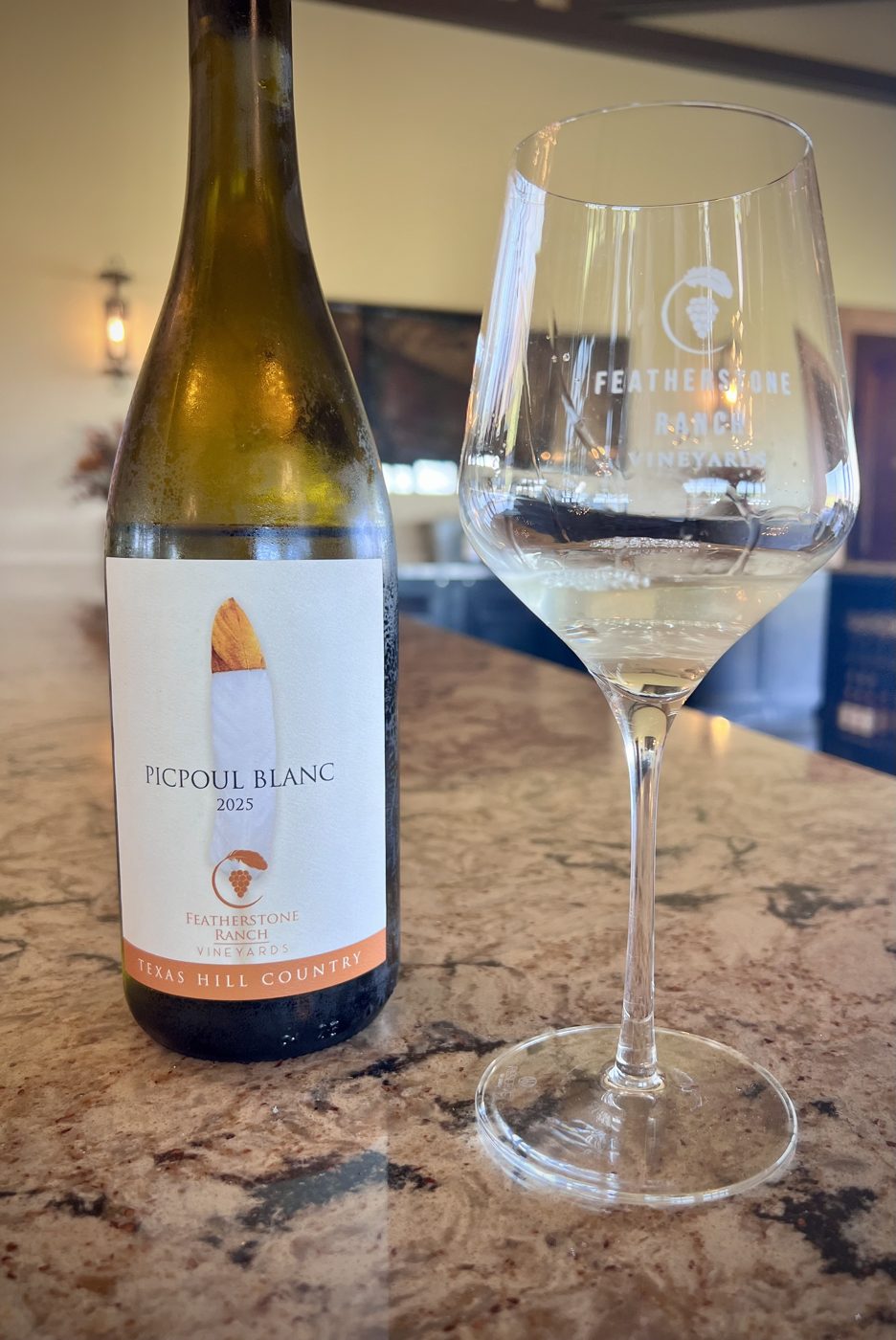
Lemon, lime, green apple, and a snap of something saline — like the air near the coast. It runs light, bone-dry, and almost always unoaked, so there is nothing between you and that acidity. Served cold, it is one of the most refreshing whites going. Served warm, it falls apart, so keep it on ice.
/ Why it works in Texas /
The thing most whites lose in a Texas summer is acidity — by August they go soft and tired. Picpoul is a late-ripening Languedoc grape built for heat and drought that holds its acid when others give it up, which is exactly the trait a hot-climate white needs. It is still rare here — a grape you find when a winemaker is chasing something beyond the familiar — but where it turns up, it tends to be the most thirst-quenching thing on the list.
/ What to eat with it /
Oysters first — that is the pairing its homeland was built on. After that, anything from the Gulf: shrimp, ceviche, fried fish, a squeeze of lime. The high acid also cuts goat cheese and cuts through fat, so it earns its place next to a charcuterie board on a hot afternoon.
/ From our visits /